Wood Foundation in the Listing? Here's What Every Buyer Needs to Know.
You're browsing listings in Calgary and you spot it in the fine print: "wood foundation." Your stomach drops. Should it?
Probably not, but you do need to know what you're looking at. Permanent Wood Foundations (PWFs) are a code-compliant, engineered building system that has been used across Alberta since the 1960s. Tens of thousands of Calgary homes have them. They are not a construction shortcut or a sign of a problem. But they come with specific considerations that every buyer must understand before making an offer.
What Is a Wood Foundation?
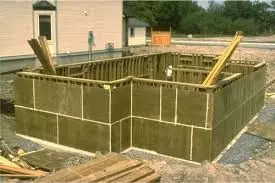
A PWF is a basement built from pressure-treated, preservative-injected lumber and plywood, not ordinary wood. The treatment process prevents rot and insect damage. The system is fully engineered and must be inspected by a structural engineer at the time of construction, something concrete foundations do not always require.
The Pros for Buyers
✓ Warmer basement. Wood is a natural insulator. PWF basements are noticeably warmer in Alberta winters than poured concrete, and easier to insulate and finish as living space.
✓ Equal lifespan to concrete. With proper maintenance, a PWF performs as long as a concrete foundation. Some of the earliest examples from the 1950s are still in service.
✓ No freeze-thaw cracking. Unlike concrete, wood has enough flexibility to withstand the ground movement Alberta's climate causes each season.
✓ Potential negotiating room. Buyer hesitation around PWFs often creates pricing opportunities, which means a well-maintained wood foundation home can be purchased below comparable concrete-foundation properties.
The Cons for Buyers
✗ Moisture is the enemy. Wood in contact with soil will fail if surface drainage around the home is poor. Grading, gutters, and downspout extensions must direct water away from the foundation- always.
✗ Decay can hide. Rot often develops on the exterior face of the wall, below grade, where it is invisible from inside. It requires probing by a qualified professional to detect.
✗ Buckling and bowing are warning signs. Walls that have bent inward over decades of soil pressure, especially near the basement stairs, can signal serious structural issues.
✗ A home inspector is not enough. Standard home inspections cannot properly assess a PWF. You need a structural engineer with specific wood foundation experience- full stop.
Your PWF Due Diligence Checklist
Before you finalize any offer on a home with a wood foundation:
□ Request any existing engineering reports and verify when they were completed
□ Ask the seller about any history of rot, pests, water intrusion, or insurance claims
□ Hire a structural engineer with wood foundation experience — not just a home inspector
□ Inspect both finished and unfinished areas of the basement — moisture hides behind drywall
□ Check exterior grading and all downspouts — water must drain away from the foundation
□ Look for bowing or buckling walls, especially near the basement stairs
□ Consider a pre-inspection before making an offer
Don't Walk Away- Walk in With the Right Expert.
A wood foundation is not a dealbreaker. It is a checkpoint. Before you make an offer on any home with a PWF, make one non-negotiable commitment: hire a structural engineer who specializes in preserved wood foundations to assess the remaining service life and identify any issues.
If the engineer gives it a clean bill of health and the drainage around the property is sound, you may be looking at a warm, well-built basement- and a home that other buyers passed on for the wrong reasons.
Book your wood foundation inspection before you finalize any purchase. It is the one step that turns an unknown into a confident decision.